Magnesium Benefits for Men: Testosterone, Sleep and Muscle
| What it is | Magnesium is an essential mineral and a cofactor in 300+ enzyme reactions, including energy production. |
| How it works | It may reduce how tightly SHBG binds testosterone (supporting free T), calms the nervous system for sleep, and drives muscle and ATP function. |
| Why it matters | Modern diets leave many men short, and a shortfall shows up as poor sleep, cramps and low energy. |
| On a label | Prefer well-absorbed forms — glycinate, citrate, malate; read the elemental magnesium amount, not the compound weight. |
If one mineral quietly limits more men than any other, it is magnesium. It rarely makes headlines the way testosterone boosters do, yet the magnesium benefits for men touch nearly every system you care about — hormones, sleep, muscle, energy and heart rhythm. This guide explains why, in plain language: how magnesium and testosterone are connected through a protein called SHBG, why it is one of the best-studied minerals for sleep quality, why so many men run short, and how to read a label so you actually absorb what you buy.
This is general wellness information rather than medical advice, and magnesium is an essential nutrient, not a treatment for any condition. The goal is to help you understand the mechanism so you can supplement sensibly.
What magnesium actually does
Magnesium is not a niche nutrient with one job — it is a master cofactor. It is required for more than 300 enzyme reactions in the body, which is why a shortfall shows up in so many different places. Most importantly, the energy currency of every cell, ATP, is biologically active only when it is bound to magnesium as Mg-ATP. In other words, you cannot make or use energy properly without it. It also helps regulate the electrical signals that fire your muscles and nerves, stabilises the rhythm of your heartbeat, and works as a natural counterweight to calcium, allowing muscles to relax after they contract.
That last point — relaxation — is the thread that runs through most of the benefits men notice: calmer nerves, easier sleep, fewer cramps, smoother recovery.
Magnesium and testosterone: the SHBG connection
The hormonal angle is where magnesium earns its place in a men’s guide. Most of the testosterone in your blood is not free to act — it travels bound to a carrier protein called sex-hormone-binding globulin (SHBG), which keeps it inactive. Only the small unbound fraction, the free testosterone, is biologically available. Research suggests magnesium may reduce how tightly SHBG grips testosterone, leaving a larger share of your own hormone in that free, usable pool.
Two honest caveats matter. First, the effect is clearest in men who are low in magnesium or training intensely — it is about removing a limitation, not boosting a man who is already replete. Second, magnesium does not add hormone; it works with what you produce. That places it in the same “free-testosterone efficiency” family as boron and fenugreek, and alongside zinc, the mineral most tied to normal testosterone production itself.
Magnesium and sleep: the recovery multiplier
Ask what single change does the most for a man’s hormones, energy and mood, and the answer is usually sleep — and magnesium is one of the few nutrients with a plausible, direct role in it. It supports the activity of GABA, the brain’s main calming neurotransmitter, and helps regulate the stress hormone cortisol, both of which help the nervous system shift out of “go” mode at night. Many men who add a well-absorbed magnesium in the evening report falling asleep more easily and waking less. Because sleep is when testosterone is produced and muscle is repaired, better sleep quietly amplifies almost every other benefit on this page. It is the recovery multiplier hiding inside a mineral.
Want your vitality foundations covered in one clean, once-daily capsule?
See GaraHerb PackagesMuscle, energy and exercise
For active men, magnesium is doing double duty. Through Mg-ATP it fuels every contraction, and through its calcium-balancing role it lets muscles relax and reduces the odds of cramps and twitches. Hard training also increases magnesium losses through sweat and urine, so athletes and heavy exercisers are among the most likely to run short. A quiet magnesium shortfall can look a lot like ordinary fatigue and poor recovery — which is exactly why it goes unrecognised for so long.
Why so many men fall short
The best magnesium is the kind you eat — leafy greens, nuts and seeds (pumpkin seeds are a standout), legumes, whole grains and dark chocolate. The problem is that modern eating patterns lean heavily on refined and ultra-processed foods, where magnesium has been stripped away, and modern farming has lowered the magnesium content of some crops. Add in the extra losses from stress, heavy exercise and alcohol, and it is easy to see why national surveys repeatedly find a large share of adults falling below the recommended intake. A supplement is a reasonable insurance policy — but food first, always.
How to read a magnesium label
- The form is everything. Well-absorbed, gentle options include magnesium glycinate (bisglycinate) — calming and easy on the stomach, popular for sleep — plus citrate and malate. Magnesium oxide is cheap but poorly absorbed and mostly acts as a laxative.
- Elemental amount. A label may say “500 mg magnesium glycinate,” but only a fraction of that weight is actual magnesium. Look for the elemental magnesium figure, usually in the Supplement Facts panel.
- Sensible dose. The RDA for men is about 400–420 mg/day from all sources; supplements commonly add 200–400 mg elemental. More is not better — excess mainly causes loose stools.
- Clean manufacturing. Choose products made in an FDA-registered, GMP-certified facility.
Simple safety
Magnesium from food and sensible supplement doses is very safe for healthy adults; the most common side effect of overdoing it is a laxative one. A few cautions: men with kidney disease should not supplement without medical advice, because impaired kidneys clear magnesium poorly. Magnesium can also affect the absorption or timing of some medicines, including certain antibiotics, so space doses apart and check with a pharmacist if you take prescriptions. As always, do not exceed the labelled amount.
One capsule a day, gluten-free and vegetarian, with a 60-day money-back guarantee.
Get GaraHerb Today
Magnesium in the bigger picture
Magnesium is the classic example of a foundation nutrient: unglamorous, essential, and quietly limiting when it runs low. It will not do anything dramatic on its own, and it is not meant to. What it does is make everything else work better — the sleep that produces your testosterone, the ATP that powers your workouts, the free-hormone availability that lets your own testosterone do its job, and the nervous-system calm that lets you recover. Fix a magnesium shortfall and the whole system tends to run more smoothly.
That is why magnesium belongs in a foundations-first plan rather than a booster-chasing one. Cover it alongside the other essentials — vitamin D and zinc especially, since magnesium is even required to metabolise vitamin D — and let botanicals handle the finer tuning. For the complete framework, see our guide on how to support male vitality naturally.
Magnesium is a single mineral with a well-defined role. If you are curious about the mineral-complex approach instead, shilajit benefits for men covers fulvic acid and the trace-mineral resin that traditional systems used for energy.
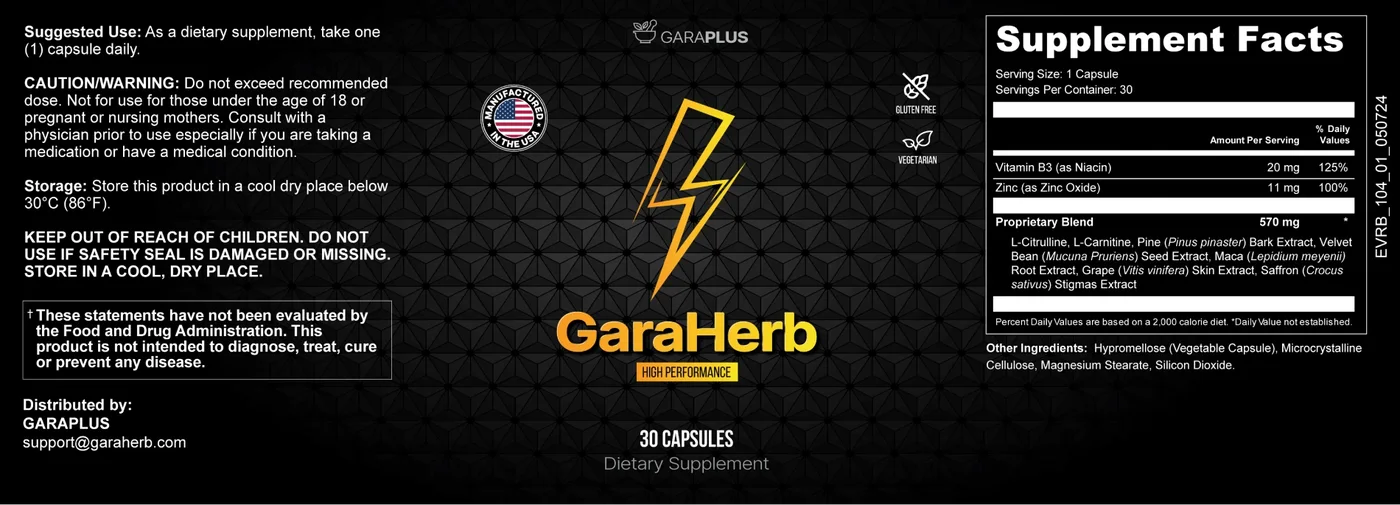
A note on our own product: Magnesium is not an ingredient in GaraHerb. This guide is general ingredient education. The GaraHerb Supplement Facts panel lists Vitamin B3, Zinc and a 570 mg blend of L-Citrulline, L-Carnitine, Pine bark, Velvet bean, Maca root, Grape skin and Saffron — you can read the full panel on the GaraHerb ingredients page.
Keep reading
- Vitamin D and testosterone: how the sunshine vitamin works
- Zinc and testosterone: how the mineral supports men
- How to support male vitality naturally
- See the full GaraHerb formula and ingredient panel →
Frequently asked questions
What are the main magnesium benefits for men?
Magnesium supports free testosterone, deeper sleep, muscle function and recovery, a steady heartbeat and healthy blood-sugar handling. It is a cofactor in hundreds of enzyme reactions, so a shortfall shows up in many places at once. It is an essential mineral for normal function, not a treatment for any condition.
How does magnesium support testosterone?
Magnesium is thought to lower how tightly sex-hormone-binding globulin holds onto testosterone, which can leave more testosterone in its free, active form. The effect is clearest in men who are low in magnesium or training hard, so it is about removing a limitation rather than boosting a man who already has enough.
Which magnesium is best for men?
Well-absorbed, gentle forms such as magnesium glycinate (bisglycinate), citrate or malate are usually the best choice. Magnesium glycinate is popular for sleep and calm because it rarely upsets the stomach. Magnesium oxide is cheap but poorly absorbed and mainly acts as a laxative, so check which form a label uses.
How much magnesium should a man take?
The RDA for adult men is about 400 to 420 mg per day from food and supplements combined. Supplements typically add 200 to 400 mg of elemental magnesium. Read the label for elemental magnesium rather than the weight of the whole compound, and do not exceed the labelled amount.
Should I take magnesium at night?
Many men prefer an evening dose because magnesium supports relaxation and sleep quality, and gentle forms like glycinate suit the evening well. That said, the most important thing is consistency; take it at whatever time you will remember every day, with or without food.
References
- National Institutes of Health, Office of Dietary Supplements. “Magnesium — Health Professional Fact Sheet.” ods.od.nih.gov
- Examine.com. “Magnesium: evidence-based analysis.” examine.com
- MedlinePlus, U.S. National Library of Medicine. “Magnesium in diet.” medlineplus.gov
- National Center for Complementary and Integrative Health. “Using Dietary Supplements Wisely.” nccih.nih.gov
The GaraHerb Research Team is an independent group of men’s-health writers and supplement editors who turn ingredient science and label-reading know-how into plain English. We are not your doctor and we do not sell medical advice — our job is to help you understand how each active works so you can shop and supplement with confidence. Every guide is checked against primary sources such as the NIH Office of Dietary Supplements and peer-reviewed research, and reviewed for accuracy before publishing.
Spotted something that needs correcting? Reach us through our contact page, or read more about who we are.
† These statements have not been evaluated by the Food and Drug Administration. This product is not intended to diagnose, treat, cure or prevent any disease. This article is for general information only and is not medical advice. Speak with your physician before starting any new supplement.